The difference between a KPI and an OKR is the difference between looking at one puzzle piece and looking at the whole puzzle. Both measure, but they measure different things, and confusing them is why so many marketing and sales teams work hard yet move the business very little.
In a B2B revenue system this distinction is not academic. It is what tells leadership whether the machine is actually growing.
What a KPI is
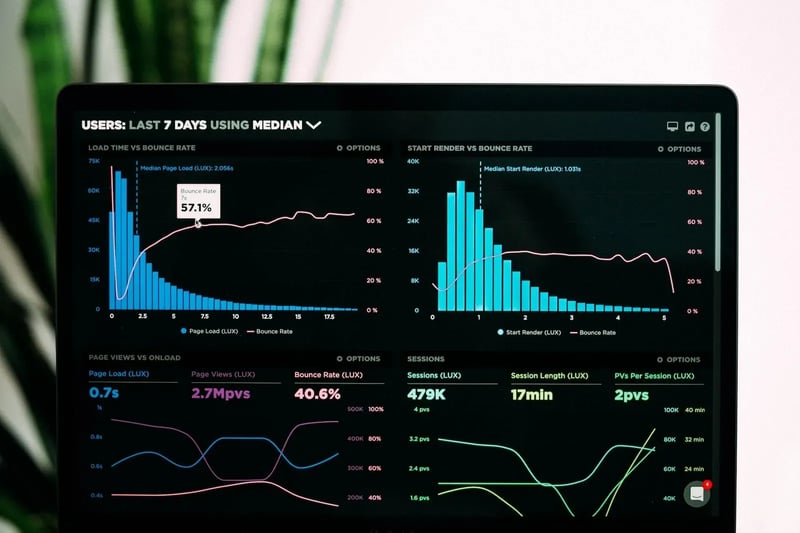
A KPI (Key Performance Indicator) measures the health of an action or process. It answers "is this running well?": sequence open rate, cost per lead, average sales response time, MRR, landing page conversion rate.
A KPI is operational. It tells you whether a mechanism of the system is within range, but it does not tell you where the business is heading.
What an OKR is
An OKR (Objectives and Key Results) defines where the company wants to go and how it will know it got there. It combines a qualitative objective ("make the pipeline predictable") with two to four measurable key results that prove it ("cut the sales cycle from 90 to 60 days", "grow pipeline coverage from 2x to 4x").
The methodology started at Intel, with Andy Grove, and is the management model of companies like Google. Unlike a KPI, an OKR is directional and quarterly. It aligns teams around what matters, not around what is easy to measure.
The difference that counts: mindset
- A KPI is health. It tracks what already exists. Clicks and visitors are rarely business metrics.
- An OKR is direction. It defines the outcome that changes the company and forces a decision on where not to invest.
A team that only watches KPIs optimises activity (more emails, more traffic, more meetings) without ensuring it turns into revenue. A team with clear OKRs uses KPIs as instruments to reach a defined destination.
How this connects to your system
In the Revenue Operations model, OKRs and KPIs live in different layers of the same system. OKRs are set at the start of each cycle and translate strategy into measurable results. KPIs are instrumented in Revenue Intelligence, the reporting and BI layer on top of HubSpot dashboards, which shows in real time whether each mechanism (acquisition, conversion, pipeline) is contributing to those key results.
Without OKRs, dashboards become a sea of numbers with no hierarchy. Without KPIs, OKRs are intentions with no way to verify them. The system needs both.
If you look at your reporting and cannot say, in ten seconds, whether the business is closer to or further from the quarter's goals, the problem is not the numbers. It is the missing layer that gives them direction. Start with the Diagnosis.