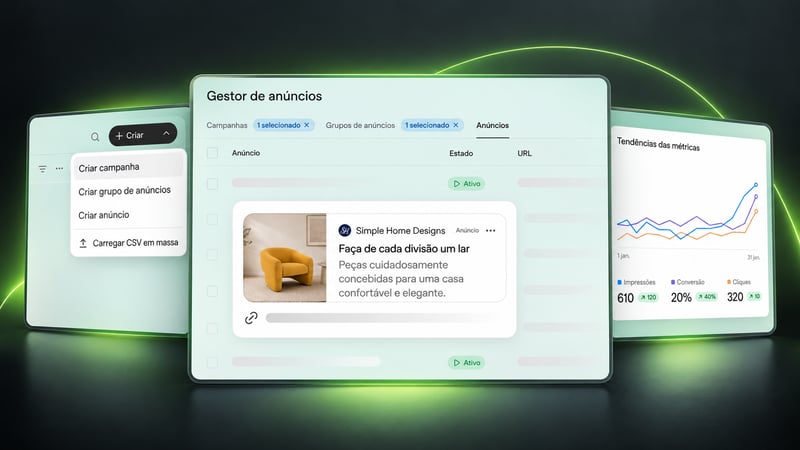
ChatGPT Ads have started rolling out in Portugal, and here at SmartLinks, we’re already preparing the first campaigns for various organizations, including those in the tourism and hospitality industries.
For those who lead a company, a marketing team, or a sales department, this isn’t just another platform feature. It’s the opportunity to reach potential customers while they’re still identifying the problem, comparing alternatives, and deciding who they can trust.
Access still appears to be rolling out gradually. Not all accounts will necessarily have the same options at the same time. But one thing has changed: ChatGPT ads are no longer a distant possibility—they’re now a channel we can actually test.
We don’t yet know if it will be the next big acquisition channel. And, honestly, no one does. That’s precisely why this phase is so interesting.
ChatGPT Ads in Portugal: What Has Really Changed?
For years, digital advertising has primarily revolved around search, social media, and video. Google captures the intent expressed in a search query. Meta and LinkedIn help create demand and keep a brand top-of-mind over time.
ChatGPT introduces another context: a conversation in which the user explains a problem, adds constraints, compares alternatives, and refines a decision.
The difference isn’t just the ad format. It’s the moment when the brand can appear.
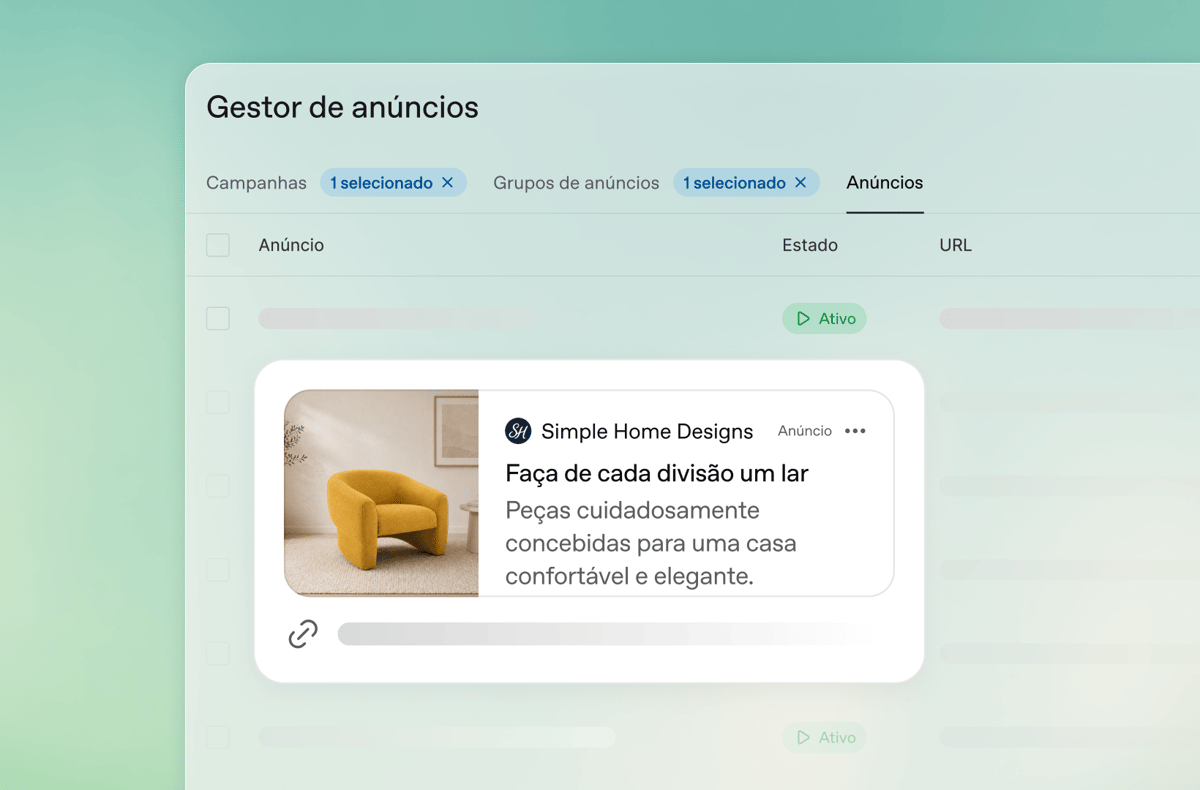
This doesn’t mean that ChatGPT Ads will replace Google Ads, Meta Ads, or LinkedIn Ads. It means there may be a new touchpoint within the customer journey, close to the moment when someone is trying to figure out what to do next.
The context of the conversation changes the opportunity
A search for “hotel in the Douro” tells you something. A conversation in which someone explains they’re looking for a hotel in the Douro for a weekend getaway for two—with a spa, good food, and a specific budget—tells you much more.
This is where things get interesting.
When someone uses ChatGPT to explore options, they’re usually not just browsing. They’re organizing information, defining preferences, and—often—preparing to make a decision.
For a brand, the opportunity isn’t simply to “show up on ChatGPT.” It’s about being relevant in that context, with a message and an offer that make sense for what the person is trying to accomplish.
Travel and hospitality are a good example
That was the example I gave when I wrote about the arrival of ChatGPT Ads in Portugal:
- “Which part of the Algarve do you recommend for a vacation with kids?”
- “I’m looking for a hotel in the Douro region for a weekend getaway for two. What options should I consider?”
These questions come up before a booking is made. The traveler is still deciding on the destination, the type of experience, and the options worth considering.
For hotels, hotel groups, and tour operators, this can represent a new touchpoint during trip planning—not to interrupt the conversation with a generic message, but to present a relevant offer at the right moment.
The same logic applies to other industries where customers research, compare, and weigh their options before making a purchase: technology, B2B services, education, real estate, private healthcare, or higher-value products.
Who should look into this channel first?
ChatGPT Ads won’t have the same value for every company. At this stage, I see the most potential in products and services that require some consideration before purchase.
It makes particular sense to explore this channel when:
- the customer needs to compare several solutions before moving forward;
- the product or service is valuable enough to warrant research;
- the decision-making process is long and involves more than one person;
- the company sells expertise, trust, or a solution that needs to be explained;
- marketing and sales are already able to track a lead through to the opportunity and revenue.
This includes many B2B businesses, technology, professional services, education, real estate, private healthcare, tourism, and hospitality. These are areas where potential customers rarely make impulse purchases. They ask questions, seek references, and try to minimize the risk involved in their decision.
For marketing and sales executives who like to stay ahead of the curve, the opportunity isn’t about being on every platform. It’s about testing a hypothesis before competitors do, learning quickly, and making decisions based on their own data.
The advantage of getting in early is learning first
When a new channel emerges, it’s easy to fall into one of two extremes: treating it as the next big revolution or waiting until it’s fully mature.
I prefer a third option: testing early, but judiciously.
The time advantage isn’t just about being one of the first brands on the scene. It’s about starting to answer questions that competitors aren’t even asking yet:
- What kinds of conversations generate truly qualified traffic?
- What message works in this context?
- What offer prompts the person to take the next step?
- Which landing page best handles this traffic?
- Does the channel generate leads, opportunities, or bookings at an acceptable cost?
Those who start now can build their own data before the channel scales up. And your own data is worth more than opinions about what ChatGPT Ads might become.
How to Test ChatGPT Ads Without Wasting Your Budget
A test shouldn’t start with the platform. It should start with the result we want to achieve.
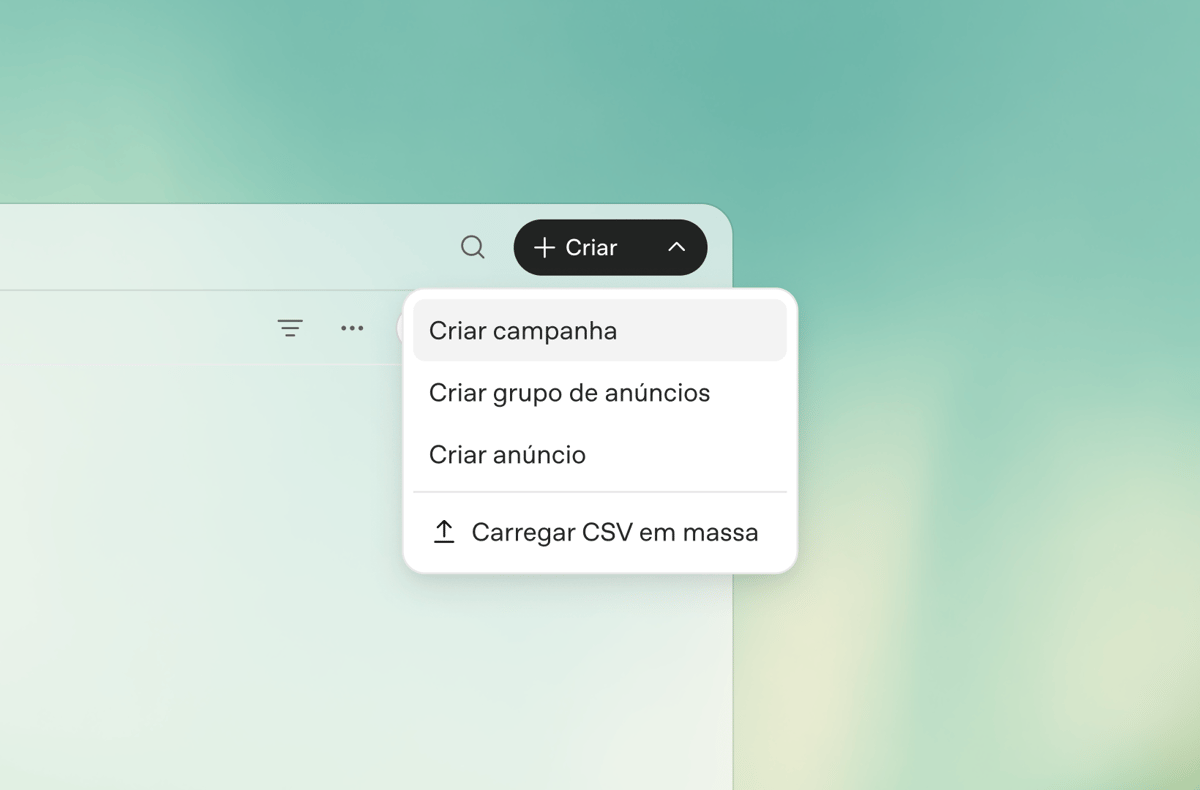
In practice, there are five decisions that need to be clear:
- Objective. Do we want to generate bookings, contact requests, demos, sales, or just learn about a new audience?
- Context. In what situations and when people are facing what problems do we want the brand to be considered?
- Message and offer. The ad must add something to the conversation. A vague promise isn’t enough.
- Landing page. The click needs to lead to a page that aligns with the user’s intent, not a generic homepage.
- Measurement. Impressions and clicks help, but the ultimate metric should be qualified leads, pipeline, sales, or bookings.
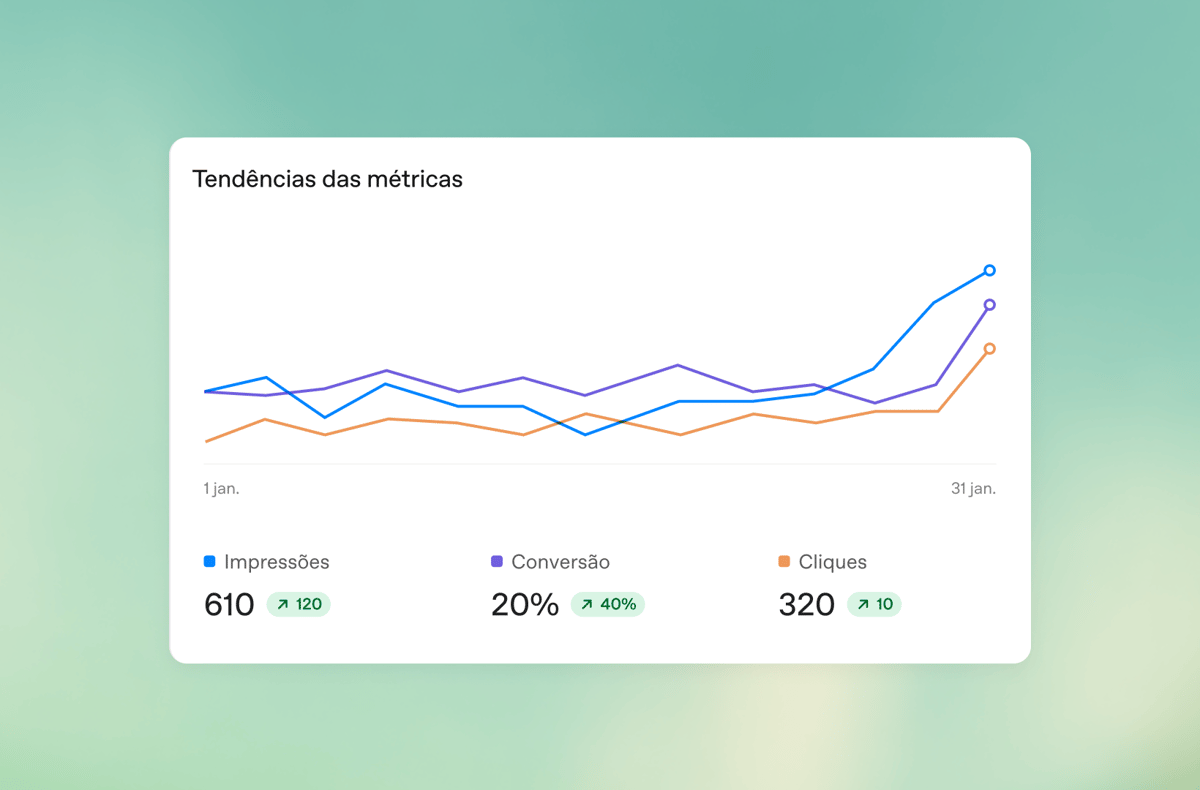
It’s the same logic we use in paid media: traffic quality over volume and attribution over scale. A new channel doesn’t eliminate the rules of performance marketing. It makes them even more important.
ChatGPT Ads shouldn’t operate in isolation
There is also an important connection between paid presence and organic presence on AI-powered search engines.
A brand may advertise but, at the same time, lack content that is clear enough to be understood, cited, or considered outside the ad. Therefore, the discussion about ChatGPT Ads must be linked to SEO and AEO efforts, website quality, landing pages, and the measurement system.
The ad can open the door. The rest of the system must be able to welcome, convert, and follow through on the opportunity.
That’s also why we don’t view this channel as a standalone initiative. We see it as another layer in a demand-generation strategy.
What SmartLinks Is Already Doing
At SmartLinks, we’re already developing the first ChatGPT Ads campaigns for various clients, including projects in the tourism and hospitality sectors.
The goal isn’t to chase the latest trend. It’s to understand, through real campaigns, whether this new touchpoint generates qualified demand and contributes to concrete results.
The criteria will be the same as those we apply to our other channels: understanding what it delivers, how much it costs, and whether it makes sense for the business.
If it works, we’ll scale it up. If it doesn’t work, we’ll learn early on and make adjustments. That’s what a test is for.
Frequently Asked Questions About ChatGPT Ads in Portugal
Are ChatGPT Ads already available in Portugal?
Access has begun rolling out in Portugal, and there are already accounts capable of setting up campaigns. The rollout appears to be gradual, so availability may vary among advertisers.
Do ChatGPT ads replace Google Ads or Meta Ads?
No. They add a new touchpoint to the customer journey. The decision should be based on the audience, the objective, and the results of each channel—not on the novelty of the platform.
Is it worth being among the first to test it?
It makes sense when there’s a clear objective, a relevant offer, a suitable landing page, and measurement. Without these conditions, jumping in early will only lead to wasting your budget sooner.
How can I get started?
Start by understanding where the new channel can fit into your customer’s journey and what results it would need to deliver to justify the investment. The SmartBOP Diagnostic helps you evaluate this opportunity within your overall marketing and sales system.
If you lead a company, a marketing team, or a sales department and want to understand whether it’s worth testing ChatGPT Ads in Portugal, talk to us. We’re already working on the first use cases and can help you structure a test with clear objectives, metrics, and decision criteria defined from the start.